
Reflexology: Whole-Body Wellness Through Targeted Pressure Points
Reflexology is a time-honored healing practice that uses gentle, intentional pressure on specific points of the feet, hands, and ears to support your body's natural capacity for balance and restoration. Whether you're navigating chronic stress, persistent tension, or simply seeking a deeper sense of wellbeing, reflexology offers a nurturing path forward. Here you'll find everything you need to understand this practice and connect with skilled practitioners who can guide your healing journey.
Understanding Reflexology
What Is Reflexology?
Reflexology is a non-invasive, complementary therapy rooted in the principle that specific areas of the feet, hands, and ears — called reflex points — correspond to organs, glands, and systems throughout the body. By applying deliberate, targeted pressure to these points, a trained reflexologist aims to encourage the flow of energy, ease tension, and support the body's innate healing processes.
Though often grouped with massage, reflexology is its own distinct discipline. Rather than working the muscles and soft tissue throughout the body, it focuses almost entirely on the mapped reflex zones — making it accessible even for those who may be uncomfortable with full-body bodywork.
Historical and Cultural Roots
Reflexology has roots in ancient healing traditions across China, Egypt, and Indigenous North American cultures, where zone therapy and foot work were used for centuries. Modern reflexology as we know it was largely shaped in the early 20th century by practitioners like Eunice Ingham, who developed detailed foot reflex maps still used by practitioners today.
This long lineage speaks to the enduring human recognition that the feet are far more than a means of locomotion — they are a window into the health of the whole person.
How Does Reflexology Work?
From a holistic perspective, reflexology is understood to work through several interconnected pathways. Stimulating reflex points is thought to encourage the release of tension in corresponding areas of the body, support nervous system regulation, and promote improved circulation of both blood and lymphatic fluid.
Some practitioners also frame reflexology within an energy-based model, viewing the reflex points as gateways along the body's energetic pathways. Regardless of the framework, many people report a profound sense of relaxation and ease following a session.
The Holistic Practitioner's Approach
A skilled reflexologist treats each client as a whole person, not a collection of symptoms. Your first sessions will typically involve a thorough intake conversation about your health history, lifestyle, and wellness goals. The practitioner will then tailor the pressure, focus areas, and pacing of the session to meet your body's unique needs in that moment.
Reflexology is frequently offered alongside complementary modalities such as Reiki, acupressure, craniosacral therapy, and lymphatic drainage — allowing practitioners to craft truly integrative experiences that honor body, mind, and spirit.
Holistic Treatment Approaches That Complement Reflexology
Reflexology is often offered alongside a rich array of complementary modalities, allowing practitioners to create deeply personalized, integrative sessions that address the full spectrum of your wellbeing.
Reflexology
The core practice of applying structured pressure to reflex points on the feet, hands, and ears to encourage systemic relaxation and support the body's self-regulating functions. Sessions are typically deeply calming and can be adapted to address specific areas of concern such as stress, headaches, or digestive discomfort. It is gentle enough for most people and requires no undressing beyond removing shoes and socks.
Best for: Anyone seeking deep relaxation, stress relief, or a gentle introduction to body-based holistic therapy.
21 practitioners available
Acupressure
Like reflexology, acupressure works through the application of targeted pressure, but draws from Traditional Chinese Medicine's system of **meridians and acupoints** mapped across the entire body. It can be a powerful complement to reflexology, reinforcing energetic balance and addressing specific patterns of tension or disharmony. Together, these two modalities offer a comprehensive energetic and structural approach to wellness.
Best for: Individuals interested in energy-based healing frameworks and those dealing with chronic tension or stress-related symptoms.
6 practitioners available
Reiki
**Reiki** is a Japanese energy healing practice in which a practitioner channels universal life energy through gentle touch or light hovering of the hands over the body. When combined with reflexology, Reiki can deepen the relaxation response and support emotional as well as physical release. Many clients describe a profound sense of peace and emotional clarity following combined sessions.
Best for: Those experiencing anxiety, emotional exhaustion, or a desire for spiritual and energetic support alongside physical therapy.
7 practitioners available
Craniosacral Therapy
**Craniosacral therapy** uses an extraordinarily light touch to assess and gently release restrictions in the craniosacral system — the membranes and fluid surrounding the brain and spinal cord. Paired with reflexology, it creates a profoundly calming, nervous-system-focused experience. This combination is especially valued by those dealing with headaches, chronic pain, or systemic stress.
Best for: Individuals with headaches, TMJ issues, nervous system dysregulation, or those recovering from trauma.
6 practitioners available
Lymphatic Drainage
**Manual lymphatic drainage** uses gentle, rhythmic strokes to encourage the movement of lymphatic fluid throughout the body, supporting immune function and reducing inflammation. When paired with reflexology, it creates a comprehensive approach to detoxification and fluid balance. This combination may be particularly supportive during recovery from illness, injury, or surgery.
Best for: Those dealing with swelling, inflammation, immune challenges, or post-surgical recovery.
4 practitioners available
Swedish Massage
**Swedish massage** uses long, flowing strokes, kneading, and gentle manipulation of the soft tissues to promote overall relaxation and improved circulation. Offered alongside reflexology, it provides a full-body counterpart to the foot-focused work, creating a seamlessly integrated session. Many spas and integrative wellness centers offer these two modalities together as a signature restorative experience.
Best for: Clients seeking a comprehensive relaxation experience that addresses both the whole body and targeted reflex zones.
8 practitioners available
Myofascial Release
**Myofascial release** addresses restrictions in the fascia — the connective tissue web that envelops every muscle and organ in the body — through sustained, gentle pressure and stretching. Combining this with reflexology allows practitioners to work on both the body's structural and energetic patterns simultaneously. It is particularly effective for clients with chronic pain, fibromyalgia, or persistent postural tension.
Best for: Those experiencing chronic pain, fibromyalgia, movement restrictions, or deep-seated fascial tension.
9 practitioners available
What Patients Are Saying
Across our community of reflexology clients, the most consistent themes are a profound sense of being truly heard and met where they are, alongside meaningful improvements in relaxation, energy, and overall sense of alignment. Patients frequently describe their practitioners as intuitive, present, and transformative in their approach.
Deep relaxation and realignment
“Patients report leaving sessions feeling rejuvenated, more relaxed, and genuinely aligned — as though their body had found its natural rhythm again.”
10 practitioners recommend this
Feeling truly heard and met
“Patients report that their practitioners are remarkably attuned — listening not just to their words but to what their body is communicating — making each session feel uniquely tailored.”
8 practitioners recommend this
Meaningful stress and anxiety relief
“Patients report that consistent sessions have made a tangible difference in their ability to manage stress and anxiety, describing a calmer, more grounded experience of daily life.”
10 practitioners recommend this
Transformative and lasting change
“Patients report that working with a skilled reflexologist over time has created positive shifts on multiple levels — physical, emotional, and energetic — that extend well beyond the treatment room.”
6 practitioners recommend this
Safe, personalized healing space
“Patients report feeling held in a space that is both professionally grounded and deeply personal — safe enough to fully let go and allow genuine healing to unfold.”
7 practitioners recommend this
What to Expect at Your First Reflexology Session
Arriving and Getting Settled
Your first reflexology session typically begins well before any hands-on work. Most practitioners recommend arriving a few minutes early so you can complete a health history intake form and settle into the calm of the space. You'll be invited to share your wellness goals, any areas of concern, and relevant health history — this conversation is the foundation of a truly personalized session. Expect your first visit to last anywhere from 60 to 90 minutes, with longer initial appointments being common to allow adequate time for intake.
The Session Itself
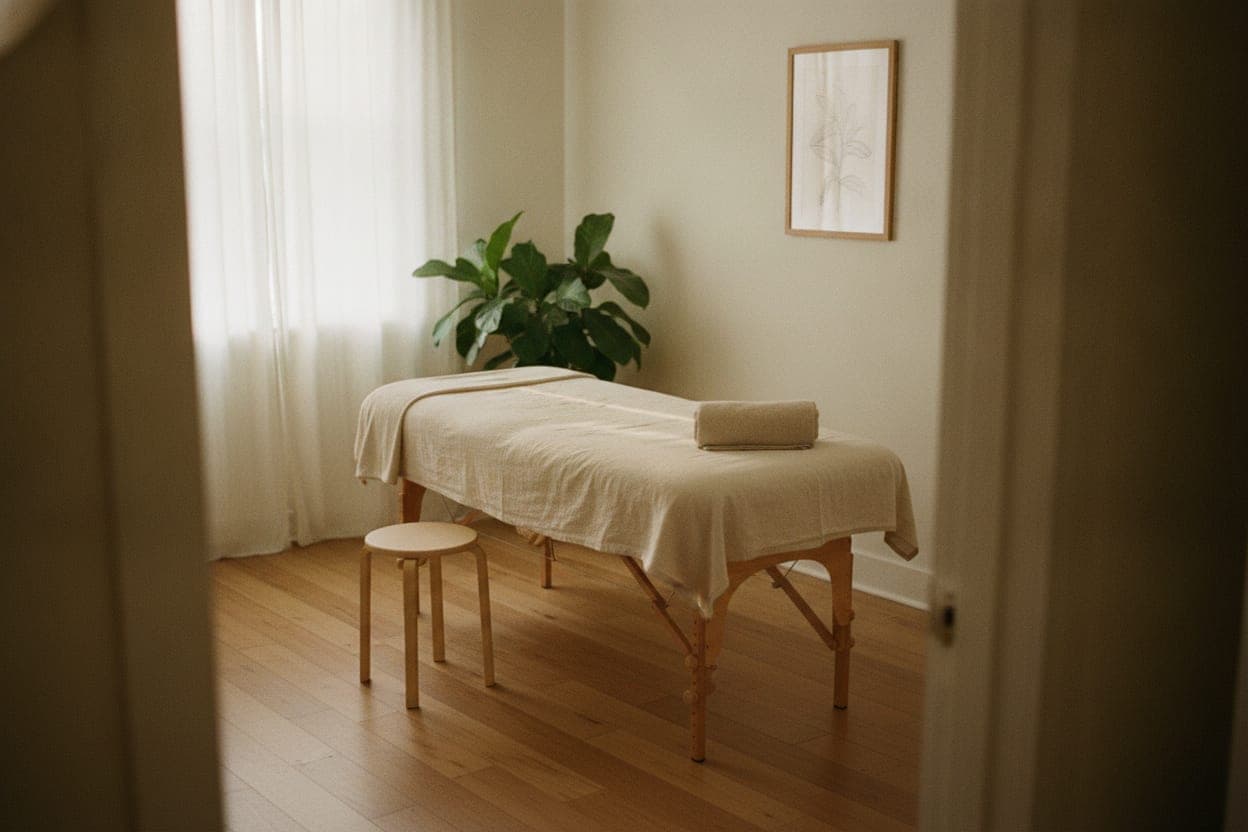
Once you're comfortably settled — typically reclined in a chair or on a treatment table — you'll simply remove your shoes and socks. Your practitioner will begin by warming and assessing your feet, noting areas of sensitivity or texture that offer clues about your body's current state. Using their thumbs and fingers, they'll work methodically through the reflex zones, pausing and adjusting pressure based on your feedback and their own intuitive reading of your body's responses. The experience is generally deeply relaxing — many clients drift into a meditative state or light sleep.
After Your Session
Following your session, your practitioner will likely offer some grounding guidance before you head back into your day. Drinking plenty of water is strongly encouraged to support the body's natural detoxification processes. You may feel deeply relaxed, a little emotional, or even briefly tired as your body integrates the work — all of these responses are normal and welcome. Many practitioners will discuss a suggested care plan and answer any questions you have about what was noticed during the session.
Frequently Asked Questions
What should I wear to my reflexology session?
Reflexology requires only that you remove your shoes and socks, so you can wear whatever is comfortable to you. Loose, relaxed clothing is always a good choice for any wellness appointment.
How should I prepare before my appointment?
Drink plenty of water in the hours before your session, eat lightly at least two hours prior, and consider setting a personal intention for your time. Arriving a few minutes early allows you to transition out of the busyness of your day and into a more receptive state.
What can I expect to feel during and after a session?
During the session, most people experience deep relaxation and occasional moments of sensitivity at certain reflex points. Afterward, you may feel calm, grounded, or pleasantly tired. Staying well-hydrated and resting when possible supports your body's integration of the work.
Is reflexology covered by health insurance?
Coverage varies widely depending on your plan and location. It's worth checking with your insurance provider, and some practitioners may provide documentation to support reimbursement through HSA or FSA accounts.
How many sessions will I need to see results?
Many people notice a meaningful shift in relaxation and wellbeing after just one session, while deeper or more chronic concerns often respond best to a consistent series of appointments. Your practitioner will discuss a suggested approach based on your individual goals.
Do you offer mobile or on-site reflexology sessions?
Some practitioners do offer mobile services at your home or workplace, sometimes within a defined radius and for an additional travel fee. It's worth asking your chosen practitioner about their service area and any associated costs when you book.
Questions to Ask Your Reflexology Practitioner
- 1
What training and certifications do you hold in reflexology, and how long have you been practicing?
Reflexology training varies widely in depth and rigor. Understanding your practitioner's background helps you feel confident that you're in skilled, knowledgeable hands.
- 2
How will you tailor the session to my specific health concerns and goals?
A personalized approach is at the heart of holistic care. This question helps you understand whether the practitioner will be responsive to your individual needs rather than applying a one-size-fits-all protocol.
- 3
Are there any health conditions or circumstances where reflexology may not be recommended for me?
While reflexology is gentle and widely accessible, certain conditions — such as foot injuries, blood clots, or pregnancy in early stages — may call for modifications. A responsible practitioner will assess your situation carefully.
- 4
What other modalities do you integrate alongside reflexology, and how might they support my goals?
Many practitioners combine reflexology with Reiki, acupressure, craniosacral therapy, or other modalities. Knowing your options helps you co-create a session that truly serves your whole self.
- 5
How many sessions would you typically recommend to address my concerns, and how will we track progress?
Understanding the expected arc of care helps you set realistic expectations and empowers you to be an active participant in your own healing journey.
- 6
What should I do to prepare for my session and how should I care for myself afterward?
Simple preparation — like hydrating well, eating lightly, and arriving with a clear intention — can meaningfully enhance your experience. Post-session self-care supports the integration of the work.
- 7
Do you take an intake history and health assessment before the first session?
A thorough intake process signals that your practitioner is taking a holistic view of your health and will approach your care thoughtfully and safely.
- 8
How do you approach reflexology from a whole-person perspective — body, mind, and spirit?
This question invites your practitioner to share their philosophy and helps you gauge whether their approach resonates with your own understanding of health and healing.