
Holistic Women's Health: Whole-Person Care for Every Stage of Life
Women's health is beautifully complex, shaped by hormones, life transitions, relationships, and the deep connections between body, mind, and spirit. Whether you're navigating menstrual health, fertility, perimenopause, or everyday vitality, holistic practitioners offer care that honors the full picture of who you are. Here you'll find educational resources, treatment approaches, and guidance to help you find the right support for your unique journey.
Understanding Women's Health from a Holistic Perspective
What Is Women's Health?
Women's health encompasses a broad and dynamic spectrum of physical, emotional, and hormonal experiences — from the first menstrual cycle through pregnancy, postpartum recovery, perimenopause, and beyond. Holistic women's health recognizes that these are not isolated biological events but deeply interconnected phases of a whole person's life.
Conventional medicine often addresses women's health concerns symptom by symptom, but integrative practitioners look for the underlying patterns that connect hormonal shifts, gut health, stress, sleep, nutrition, and emotional wellbeing into a cohesive picture.
Common Areas of Women's Health
Some of the most common areas where women seek holistic support include menstrual irregularities (such as painful periods, heavy bleeding, or irregular cycles), hormonal imbalances (including estrogen dominance or low progesterone), polycystic ovary syndrome (PCOS), endometriosis, fertility challenges, and the transitions of perimenopause and menopause.
Beyond reproductive health, holistic practitioners also support women navigating thyroid conditions, adrenal fatigue, autoimmune issues (which disproportionately affect women), postpartum mood changes, and the daily demands of stress and burnout that many women carry.
Root Causes and Contributing Factors
Holistic practitioners often explore root causes rather than managing symptoms in isolation. Hormonal imbalances, for example, may be influenced by chronic stress and elevated cortisol, nutritional deficiencies, gut microbiome disruption, environmental toxins and endocrine disruptors, or sleep deprivation.
The HPA axis (hypothalamic-pituitary-adrenal axis) and the HPO axis (hypothalamic-pituitary-ovarian axis) are deeply intertwined — meaning that chronic stress can directly disrupt reproductive hormones. This systems-level thinking is central to integrative women's health care.
The Holistic Approach to Women's Health
Holistic and integrative practitioners bring together functional medicine testing, nutritional therapy, mind-body practices, herbal and botanical medicine, and other evidence-informed modalities to create personalized care plans. The goal is not just symptom relief but genuine restoration of balance and vitality.
Central to this approach is the belief that women are active partners in their own healing. A skilled holistic practitioner will spend time listening, asking questions about the whole person, and co-creating a path forward that respects each woman's values, preferences, and life circumstances.
Holistic Treatment Approaches for Women's Health
Integrative practitioners draw on a wide range of evidence-informed modalities to support women's health at every life stage. Below are some of the most widely used approaches and who may benefit most from each.
Functional Medicine
Functional medicine practitioners use comprehensive lab testing — including hormonal panels, thyroid markers, adrenal function, and gut health assessments — to identify the root causes of women's health concerns. This approach connects the dots between seemingly unrelated symptoms to build a personalized, whole-body care plan. It is particularly valuable for complex or chronic conditions that haven't responded well to conventional treatment.
Best for: Women with complex hormonal, autoimmune, or chronic health concerns seeking deeper investigation and root-cause resolution.
0 practitioners available
Naturopathic Medicine
Naturopathic doctors (NDs) support women's health using a blend of clinical nutrition, botanical medicine, homeopathy, and lifestyle counseling. They are trained to address the full spectrum of women's health issues — from PCOS and endometriosis to menopause — using the least invasive, most natural approaches first. Naturopathic care is often highly personalized and focuses on empowering women with knowledge and self-care tools.
Best for: Women who prefer natural and preventive approaches and want a practitioner who addresses lifestyle, nutrition, and herbal medicine together.
0 practitioners available
Acupuncture & Traditional Chinese Medicine
Traditional Chinese Medicine (TCM) has supported women's health for thousands of years, offering acupuncture, herbal formulas, and dietary guidance to regulate menstrual cycles, ease PMS, support fertility, and ease the transition of menopause. TCM views hormonal balance through the lens of **qi (vital energy)**, **yin and yang**, and the health of organ systems like the Liver, Kidney, and Spleen. Research supports acupuncture's role in reducing menstrual pain, supporting IVF outcomes, and alleviating menopausal symptoms.
Best for: Women experiencing menstrual irregularities, fertility challenges, PMS, or menopausal symptoms who are open to energy-based and herbal medicine approaches.
0 practitioners available
Nutritional Therapy & Functional Nutrition
Food is foundational to hormonal health — nutrients like **magnesium**, **zinc**, **B vitamins**, **omega-3 fatty acids**, and **fiber** play direct roles in hormone production, metabolism, and detoxification. Nutritional therapists and functional nutritionists assess dietary patterns, nutrient status, blood sugar regulation, and gut health to create targeted eating strategies. They may also guide women through therapeutic dietary approaches like an anti-inflammatory diet, seed cycling for hormonal support, or liver-supportive nutrition.
Best for: Women whose hormonal or reproductive health concerns may be connected to diet, nutrient deficiencies, blood sugar imbalance, or digestive health.
0 practitioners available
Mind-Body Medicine & Somatic Therapy
The relationship between the **nervous system, stress hormones, and reproductive health** is profound — chronic stress and unresolved trauma can directly suppress ovarian function, disrupt cycles, and exacerbate conditions like endometriosis. Mind-body practitioners use tools such as yoga therapy, breathwork, somatic experiencing, mindfulness-based stress reduction (MBSR), and trauma-informed counseling to help women regulate their nervous systems and restore hormonal resilience. This is an essential but often overlooked dimension of women's health care.
Best for: Women experiencing stress-related hormonal disruption, postpartum mood challenges, trauma history, or those looking to complement physical treatments with emotional and nervous system support.
0 practitioners available
Herbal Medicine & Botanical Therapy
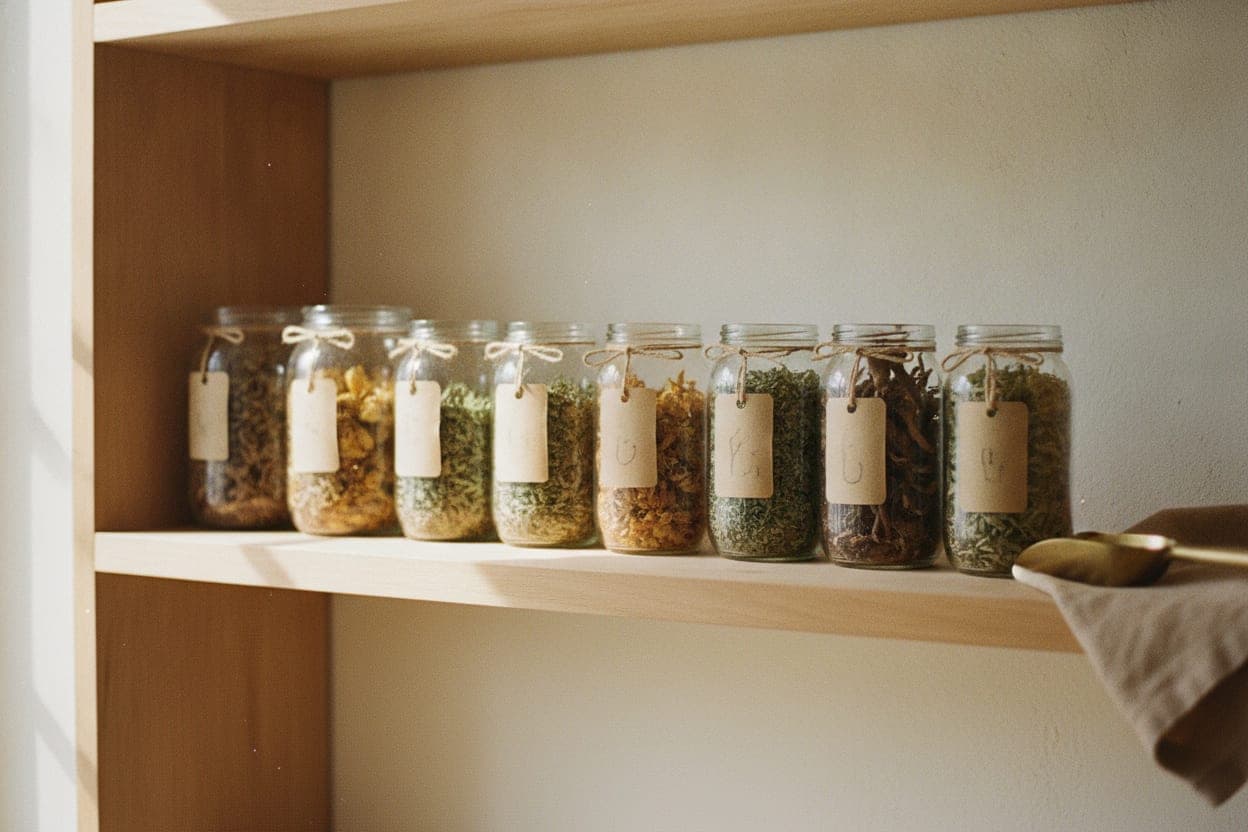
Herbal medicine offers a rich pharmacopoeia of **adaptogenic**, **phytoestrogenic**, and **hormone-modulating plants** that have been used across cultures to support women's health. Herbs like **Vitex (chasteberry)**, **Maca**, **Ashwagandha**, **Black Cohosh**, **Dong Quai**, and **Raspberry Leaf** are among those used to address hormonal balance, fertility, menstrual health, and menopausal transitions. A qualified herbalist or naturopath will tailor formulas to the individual, taking into account the whole health picture and any medications.
Best for: Women seeking gentle, plant-based support for hormonal balance, cycle regulation, or menopausal symptoms who are working with a qualified herbal practitioner.
0 practitioners available
Pelvic Floor Therapy
**Pelvic floor physical therapy** is a specialized form of physiotherapy that addresses dysfunction in the muscles, connective tissues, and nerves of the pelvic region. It is highly effective for conditions including pelvic pain, painful intercourse, postpartum recovery, incontinence, and prolapse — all of which are common but often under-discussed in women's health care. A trained pelvic floor therapist provides both internal and external assessment and treatment in a respectful, trauma-informed environment.
Best for: Women experiencing pelvic pain, postpartum recovery challenges, incontinence, painful periods, or preparing for or recovering from childbirth.
0 practitioners available
What Women Are Saying About Holistic Care
Women who seek holistic and integrative care often describe feeling truly heard for the first time — and a sense of empowerment that comes from understanding their own bodies more deeply. Common themes reflect both physical relief and a shift in how women relate to their health.
Finally feeling heard
“Patients report that holistic practitioners take the time to listen to their full story — not just their symptoms — which makes them feel respected and understood in ways they hadn't experienced in conventional settings.”
0 practitioners recommend this
Hormonal balance restored
“Patients report significant improvements in cycle regularity, PMS symptoms, and energy levels after working with integrative practitioners who addressed nutrition, stress, and lifestyle alongside targeted therapies.”
0 practitioners recommend this
Empowered with knowledge
“Patients report leaving appointments with a much deeper understanding of their own hormones and body — and feeling equipped with practical tools to support their health day to day.”
0 practitioners recommend this
Gentler path through menopause
“Patients navigating perimenopause and menopause report that integrative approaches — including herbal medicine, acupuncture, and nutritional changes — helped them manage symptoms with greater ease and confidence.”
0 practitioners recommend this
Whole-person support
“Patients report appreciating how holistic practitioners connect the dots between sleep, stress, digestion, and hormonal health — treating them as a whole person rather than a collection of separate complaints.”
0 practitioners recommend this
Questions to Ask Your Women's Health Practitioner
- 1
What testing do you recommend to get a full picture of my hormonal health?
Comprehensive hormonal testing — including sex hormones, thyroid function, adrenal markers, and nutrient levels — can reveal root causes that a basic blood panel might miss. Understanding what's being tested and why helps you become an informed partner in your care.
- 2
How do you approach the connection between stress, the nervous system, and hormonal health?
Chronic stress is one of the most underappreciated drivers of hormonal imbalance. A practitioner who integrates nervous system support alongside physical treatments is likely to offer more comprehensive and lasting care.
- 3
What role does nutrition play in your treatment approach, and will you assess my diet?
Nutritional status directly impacts hormone production, detoxification, and inflammation. Knowing whether your practitioner considers dietary factors helps ensure nothing important is overlooked.
- 4
How do you tailor treatment to different stages of life — for example, reproductive years versus perimenopause?
Women's health needs shift significantly across different life phases. A practitioner who understands these transitions can offer care that evolves with you rather than applying a one-size-fits-all approach.
- 5
How do you work alongside my conventional medical team, if I have one?
Integrative care works best when all members of your health team communicate and collaborate. A practitioner who is open to co-management and can interpret conventional test results alongside holistic assessments is a valuable partner.
- 6
What does a realistic timeline for improvement look like for someone with my concerns?
Holistic approaches often work more gradually than pharmaceuticals, focusing on sustainable change. Understanding the expected timeline helps you stay motivated and recognize meaningful progress along the way.
- 7
Do you have experience supporting women with my specific concern — whether that's PCOS, endometriosis, fertility, or menopause?
Certain women's health conditions have unique nuances that benefit from specialized experience. Asking directly about your condition helps you assess whether the practitioner is the right fit for your needs.
- 8
How do you incorporate emotional and mental wellbeing into your care for women's health?
Hormonal health and emotional wellbeing are deeply intertwined. Practitioners who acknowledge and address the psychological dimensions of women's health — including anxiety, mood changes, and body image — offer more complete support.